
Beyond the Tupperware: Rethinking Food Prep for Real Life

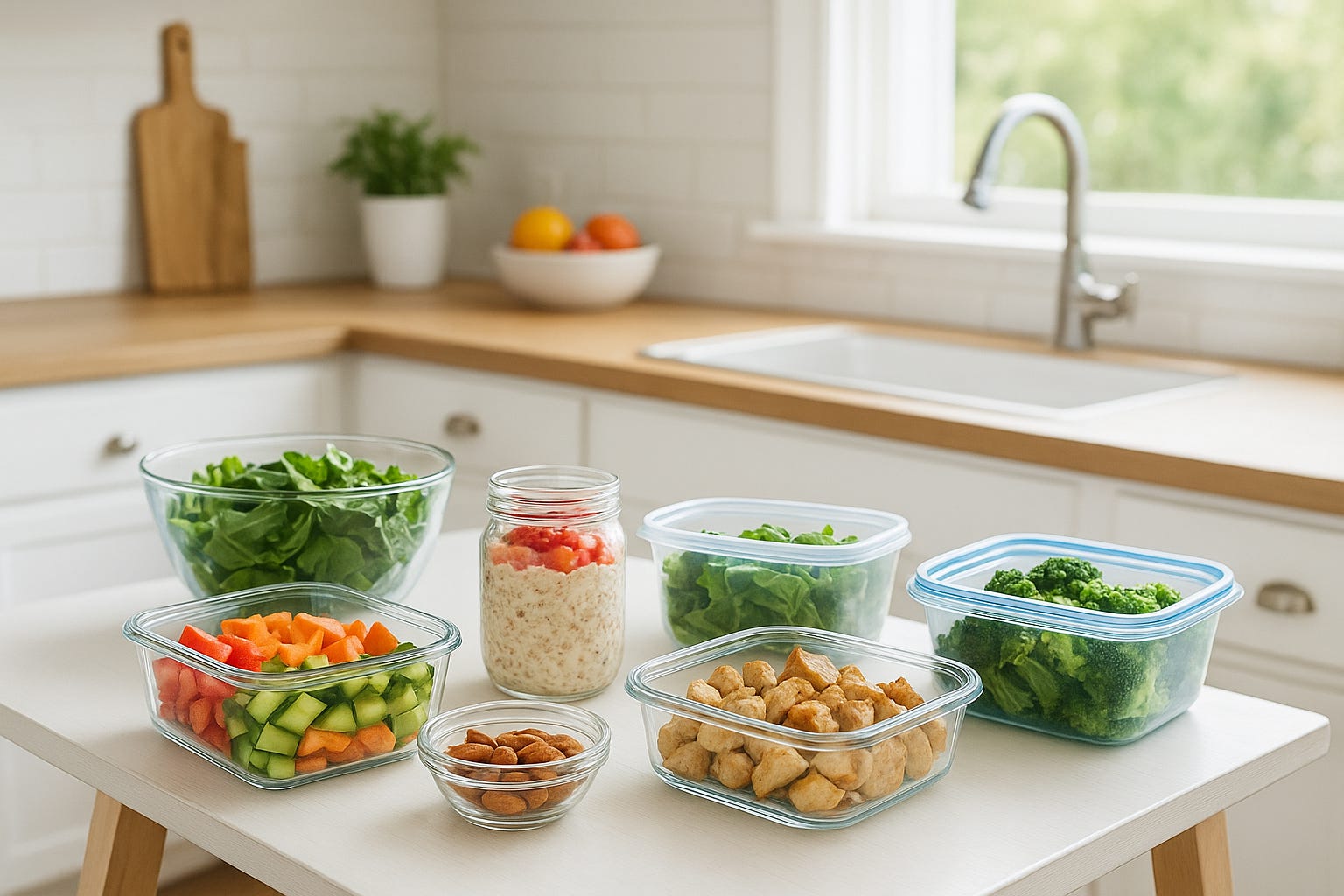
Let’s be honest, the phrase “food prep” can sometimes conjure up images of endless rows of identical chicken and broccoli in sad-looking plastic containers. For many, it feels like another restrictive chore dictated by “diet culture,” promising quick fixes that often lead to burnout and guilt. We’ve all seen the extreme programs, or felt the pressure from social media to eat “perfectly” all the time. But what if I told you that intentional food preparation can actually be your secret weapon for a more balanced, less stressful, and truly sustainable approach to nutrition?
The truth is, much of what we’ve been taught about “dieting” is far from sustainable. As I’ve shared before, the constant pursuit of an “ideal” body, the demonizing of “bad foods,” or the unrealistic 1200-calorie recommendations from apps that know nothing about you – these are all hallmarks of a diet culture that often leaves us feeling inadequate and perpetually “not good enough.” But moving away from these harmful narratives doesn’t mean abandoning your health goals. In fact, it’s about finding a sweet spot that truly supports you and your unique life.
Why Intentional Food Prep Isn’t Just for “Diets” Anymore
The landscape of nutrition science is continually evolving, and a key takeaway from recent research points towards individualized, sustainable strategies over one-size-fits-all restrictions. This is where a smarter approach to food prep really shines. It’s less about rigid meal plans and more about setting yourself up for success by making healthy choices easier and more accessible.
Think about it: how much mental energy do you expend daily just trying to figure out what to eat? This “decision fatigue” is real, and it can derail even the best intentions. When you consistently have nutritious options ready, you eliminate that daily struggle. This aligns with the idea of slow productivity – doing less, better – by creating habits that allow for deep, consistent effort without constant willpower. It’s about structuring your environment to succeed, not waiting for motivation to strike every time.
The Nutritional Cornerstones You Can Prep For
One of the biggest mistakes I see (and definitely made myself!) is underestimating the importance of protein. It’s critical for satiety, maintaining lean muscle mass, and supporting a healthy metabolism. When you don’t prioritize protein, you’re often left feeling less full, making it harder to manage overall caloric intake. Intentional food prep, even if it’s just batch-cooking a protein source like chicken, lentils, or hard-boiled eggs, makes hitting those crucial protein goals infinitely easier.
Beyond protein, recent nutrition news continually highlights the profound impact of our gut microbiome on overall health. This means focusing on a rich variety of fruits, vegetables, and fiber-rich foods (prebiotics) and fermented items (probiotics). Prepping these components – washing and chopping veggies, cooking grains, having yogurt or sauerkraut on hand – ensures you’re consistently feeding those trillions of beneficial bacteria that support everything from digestion to immunity. It’s about getting your 3-5 servings of fruits and veggies daily, not because a “diet” says so, but because you understand the profound benefits for your body.
And, of course, hydration is paramount. Food prep doesn’t just apply to solids; having your water bottles filled and accessible, or a pitcher of lemon water in the fridge, can significantly boost your daily intake without conscious effort. Think: whatever form of water/beverage will help you drink more, have it ready for yourself.
Making Room for Joy (Yes, Even Treats!)
One of the most insidious aspects of diet culture is the “good food” vs. “bad food” mentality, leading to guilt and shame. As I’ve often said, calling foods “cheats” only makes us feel guilty, when all foods can be part of a balanced and nutritious plan.
The beauty of intentional food prep is that it creates the caloric and nutrient space to mindfully include the foods you genuinely love. If you’ve structured your main meals to be rich in protein, fiber, and whole foods, then a treat can absolutely fit without derailing your progress. When we understanding caloric balance and portion control, rather than restrictive elimination. This way, you don’t have to “cheat”… you can simply enjoy your favorite foods as a managed “treat,” free from guilt.
Your Personalized Approach to Intentional Food Prep
So, how do you start food prepping without falling into the diet culture trap?
1. Start Small, Notice What Happens, Build from There: Don’t try to prep every single meal for the entire week if that feels overwhelming. Perhaps focus on just one meal, like breakfast, or a few components. Maybe it’s just washing and chopping vegetables so they’re ready for quick stir-fries or salads. Maybe it’s batch cooking a protein source or a pot of quinoa. Notice how that small change impacts your day, your energy, and your other food choices. Then, and only then, consider adding another element.
2. Identify Your “Staples”: What are the meals and snacks you genuinely enjoy and don’t get tired of? For me, it’s the same breakfast and lunch most days because I know they work and I like them. What are those tried-and-true, balanced options for you? This list is your personal “menu” that takes the guesswork out of eating.
3. Think Components, Not Just Full Meals: Instead of rigid meal plans, think about preparing versatile components. Then, you can mix and match when it’s time for meals. This can keep an element of what-you’re-in-the-mood-for too.:
*Proteins: Grilled chicken, baked fish, hard-boiled eggs, cooked lentils.
*Carbohydrates: Cooked quinoa, brown rice, roasted sweet potatoes.
*Vegetables: Chopped bell peppers, pre-washed greens, roasted broccoli.
*Healthy Fats: Portioned nuts, seeds, sliced avocado.
4. Listen to Your Body and Your Life: Your food prep should support your unique needs, tastes, schedule, and goals. There’s no single “right” way to do it. If you travel frequently, your prep might look different than someone who works from home. If you love variety, cycle through a larger list of staples. If you value spontaneity, prep only the basics. This is all about knowing yourself, understanding what you’re willing and able to do, and finding a sustainable rhythm.
Food prep, when approached with intention and self-awareness, is a powerful tool for empowerment. It’s a way to reclaim ownership over your nutrition, free yourself from decision fatigue, and consistently nourish your body in a way that feels good and lasts a lifetime. It’s about feeding your body well, supporting your goals, and making conscious choices that align with your overall well-being – on your terms.
What are your go-to food prep strategies, or what’s one small step you’re willing to try? Let me know in the comments, or send me an email at sara@nutritionforlifeproject.com. If you’d like support in cultivating a healthier relationship with food and reaching your goals, I’m here for you… send me a message. You can also find more insights and tips by following me or subscribing to my updates.
As always, thanks for reading,
Sara
Very helpful and interesting article! Motivated me to do some meal prepping
Loved the points you raised up here. I see meal prep as something that nourishes my body, almost like a game to see if im hitting my micros more so than macros! Makes things more exciting ;)